

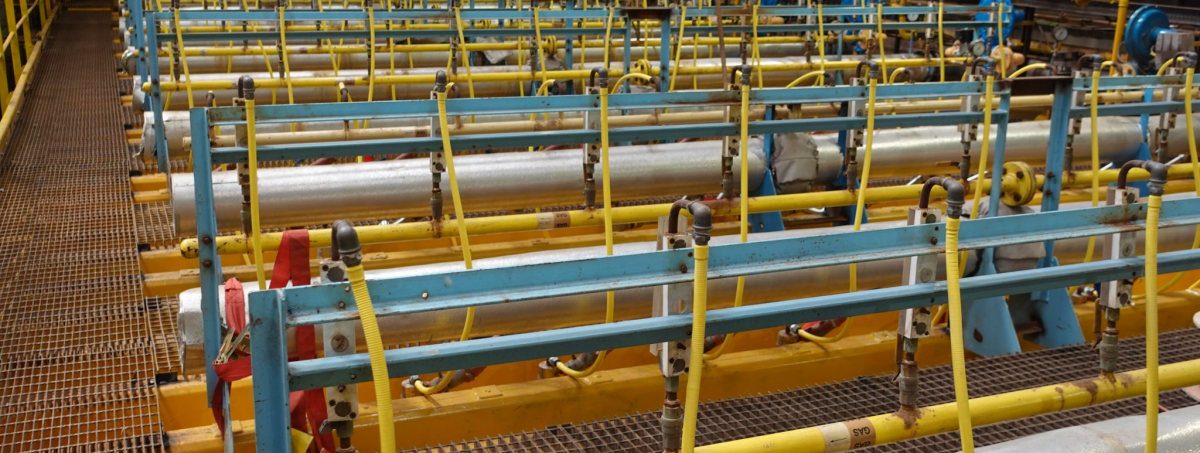
BMI Redland has completed a £6.3m refurbishment of its Coventry clay tile plant, resuming production after five months of planned maintenance, an investment that signals continued UK manufacturing commitment at a time when domestic building materials output has been falling.
BMI UK & Ireland, formed from the merger of Redland and Icopal, is the UK and Ireland's only manufacturer of both pitched and flat roofing systems, part of BMI Group, itself a subsidiary of US-based Standard Industries, the world's largest roofing and waterproofing group alongside its GAF business.
The refurbishment modernised the plant's Rosemary kiln and production processes, required more than 33,000 contact hours, and included upgrades to automation, product handling, and gas and control equipment; the Coventry site has produced BMI Redland's Rosemary clay roof tile since 1989.
The Rosemary range combines a traditional handmade appearance with modern manufacturing, and remains one of the UK's best-known clay roof tiles, specified on both new-build and heritage refurbishment projects.
The investment totals £6.3m (€7.37m); production restarted immediately following completion.
Investing in domestic kiln capacity while output falls is a bet on supply resilience rather than near-term demand.
UK brick deliveries fell 4.4% year-on-year in May 2026 and concrete block deliveries dropped 9.1%, yet Britain still imported 352 million bricks in 2025, up 11.4% on 2024, even as major manufacturers kept investing in newer, efficient plants.
Official figures show the wider pattern extends beyond bricks: output from the SIC category covering bricks, tiles and other construction products fell 8.4% in April 2026 compared with a year earlier, underlining how weak current demand is running alongside continued capital investment in production capacity.
The UK's wider clay building products sector has faced similar pressure for years: MPs have noted that Britain can produce around 2 billion bricks annually but that manufacturers are currently operating at only about 70% utilisation, with imports making up close to a fifth of the domestic market.
For the sector, manufacturers that invest through a downturn are protecting supply reliability and lead times for merchants and roofers now, positioning themselves to hold share against import competition once housebuilding activity recovers, rather than ceding capacity that would be costly and slow to rebuild later.
Source: Construction UK Magazine / PAD Magazine / GOV.UK / Hansard












.png)