

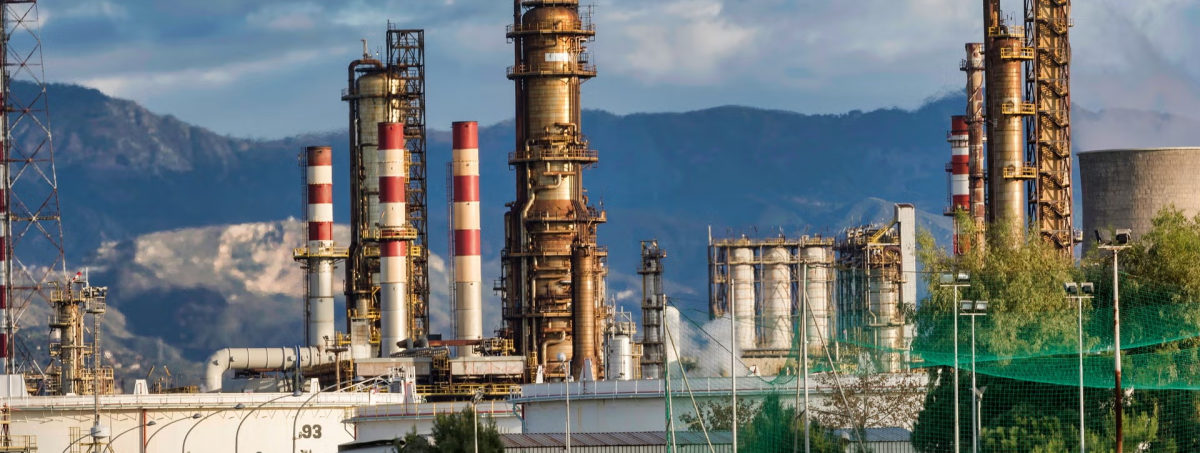
DeepOcean has completed subsea construction and tie-in work linking the Teal West field to the Anasuria FPSO in the UK North Sea, a diverless build that shows how robotic construction methods are replacing traditional dive teams on offshore infrastructure work.
DeepOcean, headquartered in Norway with its UK engineering and project management led from Aberdeen, is a global ocean services provider specialising in subsea construction, installation and decommissioning.
Anasuria Operating Company, a 50:50 joint venture between Ping Petroleum UK and Hibiscus Petroleum's Anasuria Hibiscus UK, operates the Anasuria FPSO and its associated North Sea field cluster roughly 180km east of Aberdeen.
DeepOcean's construction scope included installing a flexible production riser, flowline and umbilical connecting the FPSO to the Teal West subsea Christmas tree, along with protection works and full commissioning, executed using remotely operated vehicles and proprietary tooling instead of divers, across two phases using two chartered construction vessels.
Diverless subsea construction is becoming standard practice for tie-back work rather than a cost-saving alternative, given the safety risk and narrow weather windows that have long constrained diver-led North Sea construction.
Teal West is a rare active construction project against a shrinking backdrop: it was one of only three development wells drilled across the entire UK Continental Shelf in 2025, at a time when operators have described UKCS activity levels as being at historic lows amid ongoing uncertainty over the windfall tax regime.
That scarcity is pushing subsea construction work toward extending the life of existing infrastructure rather than building new standalone developments, since tying new fields back to platforms already on stream, like the Anasuria FPSO installed in 1996, avoids the capital cost of a new host facility entirely.
Operators are also locking in that capacity through longer-term arrangements: Anasuria signed a preferred partnership framework agreement with Boskalis Subsea Services in April 2026 covering inspection, repair, maintenance, decommissioning and construction work, rather than tendering each scope separately.
For the sector, tie-back construction and long-term framework agreements look set to remain the dominant route to UK offshore work while new development sanctioning stays constrained, rewarding contractors that can deliver diverless, multi-disciplinary scopes over those bidding on single, standalone projects.
Source: Megaproject / Energy Voice / Offshore Energy
















.png)